
Finding Niagara County Residents
No single file lists everyone who lives in Niagara County. What counts as a good answer depends on the question and the date. A parcel record names an owner of record and may show a mailing address. A deed index places a grantor or grantee inside a recorded transaction. A city directory puts a household at an address in its publication year. Each one is evidence of that record alone. It is not a promise of present occupancy. Note the municipality, spelling, date, and identifier beside every result you keep.
Match your first stop to the detail you already hold. The county's PROS-GAR assessment search performs best with an address, owner name, street, municipality, or tax-map number. A historical name may fare better at the County Historian or in library collections. For a public case, identify the court level before turning to the state search tools. That one step heads off many same-name and wrong-jurisdiction matches.
- Search PROS-GAR by the address, owner, street, municipality, or SBL when the question begins with a parcel.
- Record the municipality, SBL, SWIS, sale reference, and date displayed before moving to another system.
- Use the County Clerk’s SearchIQS route or a Clerk request for a deed, map, mortgage, or instrument image.
- For a past household, compare the relevant library directory year with census, obituary, or Historian material.
- Request an existing record from its custodian when the needed series is not available online, and keep the access limits with the result.
Niagara County Resident Record Keepers
Three Niagara County offices answer different pieces of a residents search. Real Property keeps the assessment and parcel layer. The County Clerk holds recorded land instruments. It also runs SearchIQS as an online index and image route, with coverage that varies by series. The Board of Elections serves as the local contact for election services. The state's voter tool handles registration and poll-service lookups for individuals. Neither source works as a universal roster. For an address-by-address approach, the Niagara County street directory is the right page.
Niagara County Clerk
175 Hawley Street, first floor
Lockport, NY 14095
716-439-7022
Clerk records and copy routes
Niagara County Real Property
59 Park Avenue
Lockport, NY 14094
716-439-7077
Niagara County PROS-GAR
Niagara County Board of Elections
111 Main Street, Suite 100
Lockport, NY 14094
716-438-4040 / 716-438-4041
Board of Elections
Niagara County Parcel Search Fields
The PROS-GAR quick form accepts several starting points. These include Address, Tax Map # or SBL, Owner Name, Street Finder, and Municipality. Owners are entered as Last, First. The county's instructions call for a street number and name with no suffix. Partial address matching is supported. Municipality matters. Mailing-place names and the county's actual cities, towns, and villages do not always line up.
| PROS-GAR field | Use in a Niagara County residents search |
|---|---|
| Address | Enter a number and street name; partial contains matching is available. |
| Tax Map # / SBL | Use the parcel identifier from a tax bill or prior card, such as 160.16-1-63. |
| Owner Name | Search in Last, First form; the portal documents current and prior-owner matching. |
| Street Finder / Municipality | Choose a public road and the correct local jurisdiction before reading results. |
A PROS record can show the address, owners, SBL, sale date and price, lot size, property type, building style, zoning, year built, square footage, and room counts. The parcel card adds assessment and sale-reference detail. It proves no title. It does not show who physically lives there. The owner's mailing address may sit in a different field. The Niagara County PROS-GAR portal is the official assessment search that displays these fields.
Treat the portal as a first step only. Save the SBL and the roll date before you compare a clerk index or a historical listing.
Niagara County Deed Index Trail
A recorded deed is a different kind of evidence than a parcel card. The County Clerk keeps deeds, mortgages, maps, liens, discharges, court filings, and DBAs. SearchIQS serves as the online index and image layer. Access and coverage differ by series. The county's own materials disagree on where online deed coverage begins. One source names about 1941, and the help material names about 1918. Ask the Clerk before reading a missing online hit as a missing record.
For copies, the Clerk wants names, the recording date, and a book/page or instrument number. Phone, email, mail, and in-person requests all work. The request document lists up to three business days as a target, not a guarantee. Older land trails can continue through Clerk volumes. Options also include the FamilySearch Niagara County catalog, microfilm, or the County Historian. An index tells you how to find a record. An image is the scanned document itself.
- Parcel
- A mapped unit of land used by the assessment system and identified by an SBL or tax-map number.
- Index
- A finding tool that identifies a record and its reference; it may exist when an image is unavailable.
- Grantor / grantee
- The party transferring an interest and the party receiving it in a recorded instrument.
- Situs
- The physical parcel location, which can differ from an owner mailing address.
County news and public notices offer a second safeguard. Check there before trusting any link or message that raises doubt.
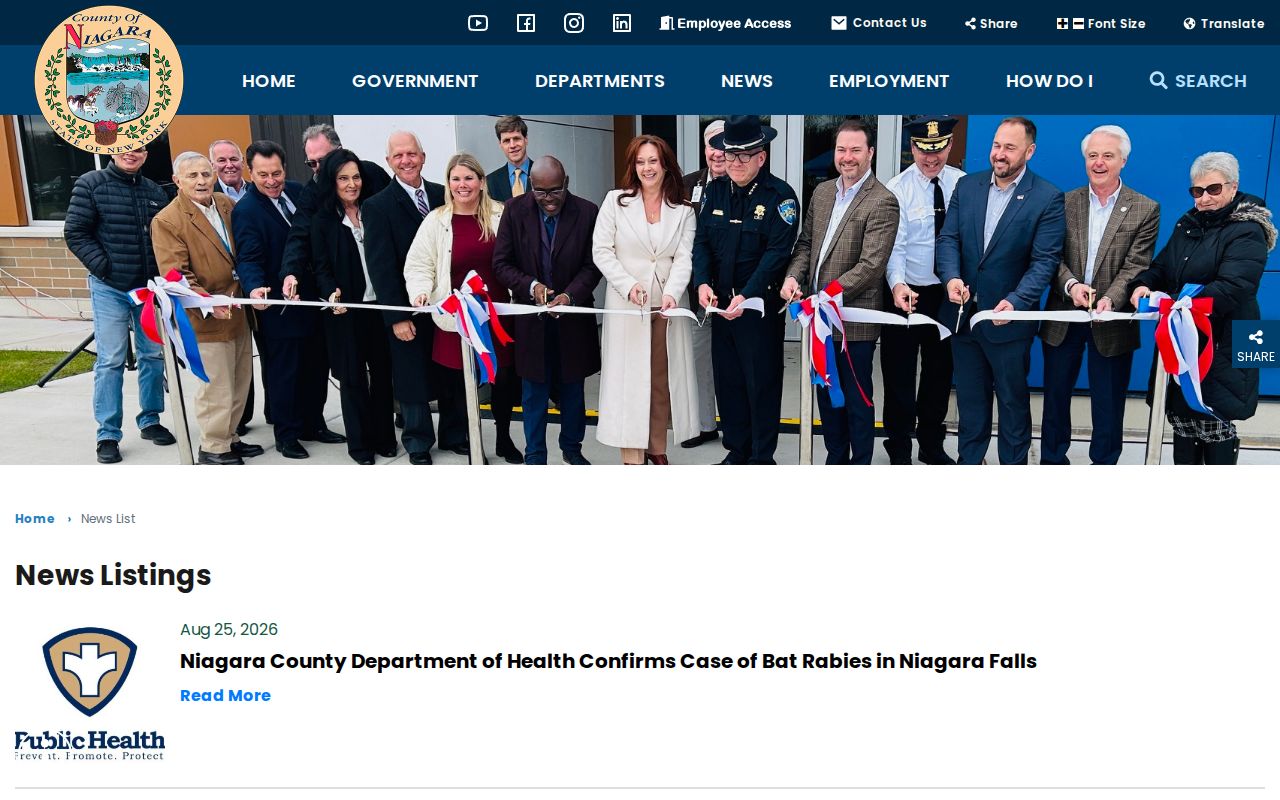
The county has circulated a property-fraud alert reminder and a 2026 fake-summons warning. A direct county link beats an unsolicited QR code or look-alike message every time.
Niagara County Voter Service Limits
New York's voter lookup serves one person at a time. It checks registration, poll sites, and ballot services. The inputs are last name, first name, and date of birth in MM/DD/YYYY form. County and address round out the fields. It is not a downloadable list of county residents. The state Board of Elections requires a FOIL request for voter-registration data. It also requires an elections-purpose statement under Election Law §3-103(5).
Confidential registrations stay protected under Election Law §5-508. A no-result tells you nothing about someone's status. A service result should never be copied into a profile. For help with a registration, ballot, or district question, contact the Niagara County Board of Elections. Poll questions go there too. The local office and the state service each play a different role.
Current Niagara County Resident Sources
Each Niagara County source answers a different question. PROS is an assessment product. It links a parcel to the owner of record, a mailing address, and property fields. The GIS viewer layers parcel geography on top and prints selected owner-mailing output. A state voter service only works when a voter supplies the required form information. Court and state systems index their own matters. None of them proves a general residence. Label the source type and its date before you rely on any result.
| Source | Who It Lists | Keeper | Access |
|---|---|---|---|
| PROS parcel card | Owners of record and parcel details | County Real Property | Public assessment search; owner is not necessarily occupant |
| GIS parcel viewer | Parcel geometry and selected owner mailing output | County GIS | Public map; selected exports cap at 1,000 records |
| NYS voter service | Registration and poll-service information for a qualified individual query | NYS BOE / County BOE | Name, DOB, county, and address form |
| County Clerk index | Parties to recorded instruments | Niagara County Clerk | SearchIQS coverage and access vary by series |
| County jail roster | Changing custody snapshot | Niagara County Sheriff | Live system, not a historical directory |
One shared name deserves care. Compare identifiers and record dates rather than merging same-name hits into one person. A parcel owner may be an estate, trust, corporation, or a former owner. A directory entry is a snapshot. A court line is not the whole file either.
The Niagara County resident lookup applies a name-first verification sequence. It treats no single source as proof. For municipal context, Niagara Falls' official city information shows how county records and city contacts sit on separate levels.
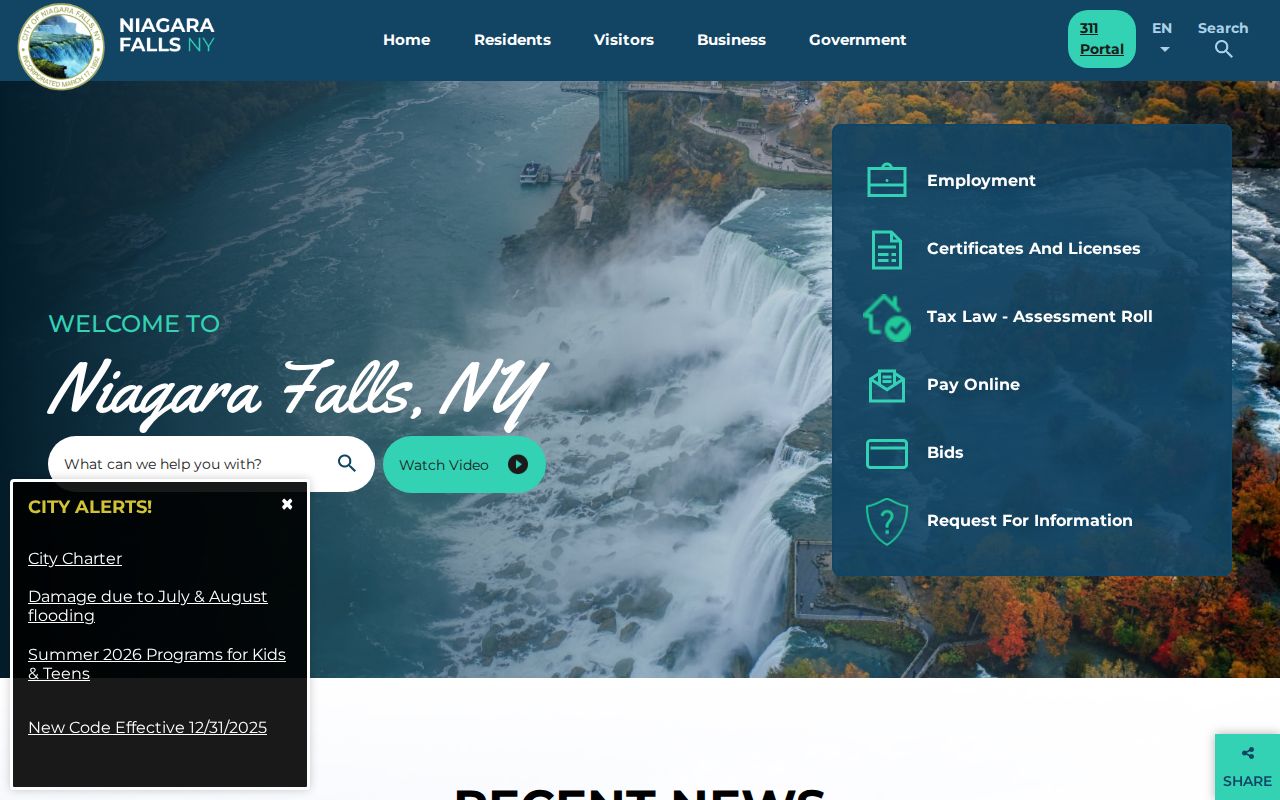
Certificates, permits, cemetery material, and city-court questions usually live with a municipality rather than a county office. Identify the city, town, or village first.
Niagara County Court Name Paths
A Niagara County name can land in several places. Options include County Court, a city court, a town or village court, Family Court, Surrogate's Court, or a state electronic system. WebCivil Supreme, WebCivil Local, and NYSCEF each search differently and cover different courts. NYSCEF guest search narrows by county, case type, and filing dates. An online result is not a full file.
It is not always a certified record either. State guidance warns that online case information can omit sealed matters, youthful-offender records, adoptions, certain Family Court records, newly entered cases, and some local civil matters. So identify the court, the index number or case year, the caption, and the document type. The clerk can explain the copy route. Ask whether certification is available too. A search that returns nothing proves nothing about a person.
Niagara County ZIP Geography
A ZIP code moves mail. It does not establish a town, city, village, neighborhood, household, or county line. USPS ZIP Lookup offers address, city/state, and ZIP-to-city routes. PostalPro explains delivery categories such as street, rural, PO Box, general delivery, and unique ZIPs. Exact address and unit detail can change the answer.
Niagara mailing labels prove the point. Lockport-area routes can serve adjacent towns. North Tonawanda routes reach into Wheatfield or Pendleton. Niagara Falls labels can extend toward Town of Niagara or Wheatfield. Start with USPS. For a parcel question, add the municipality, street, SBL, and GIS or PROS. The 2020 Census count of 212,666 and land area of 522.35 square miles offer dated context only; they are not a present resident count, and Census QuickFacts for Niagara County is the agency page behind those figures.
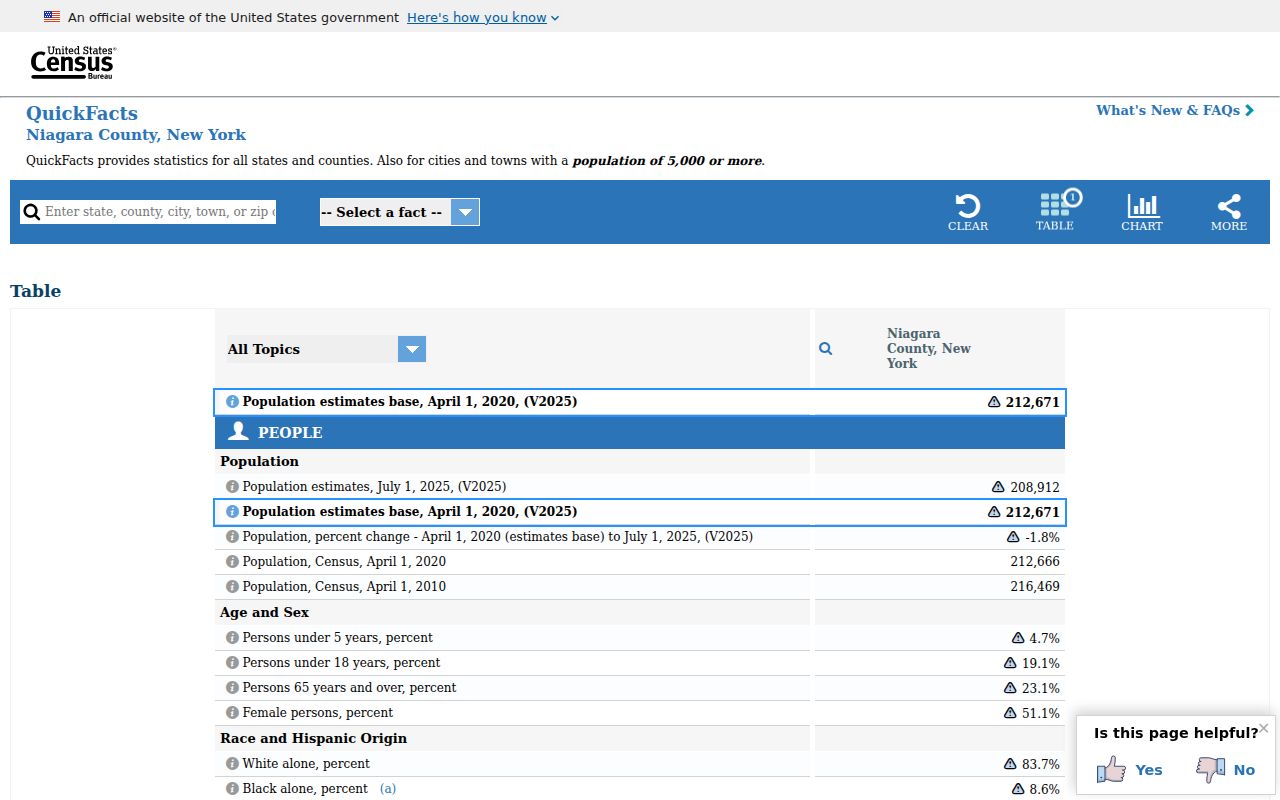
County totals give scale. A postal or population figure cannot verify a person, a parcel owner, or an address.
Niagara County Municipal Record Routes
Niagara County municipalities keep their own records. A local clerk may hold an event certificate, license, cemetery record, minutes, or register. A building or code office may hold address-keyed material. That depends on whether the municipality released it. City courts sit apart from County Court. The Lockport City Clerk is a confirmed local vital-record example, though that office does not hold every Niagara County event.
Choose the place the custodian uses. Lockport can mean the city, the town, or a mailing name. Niagara Falls can be a city or a postal label near another municipality. Note the event date and municipality. For a street matter, note the municipality, parcel identifier, and map date; this narrow first step beats a broad name search, and Lockport's City Clerk page shows the municipal route in practice.
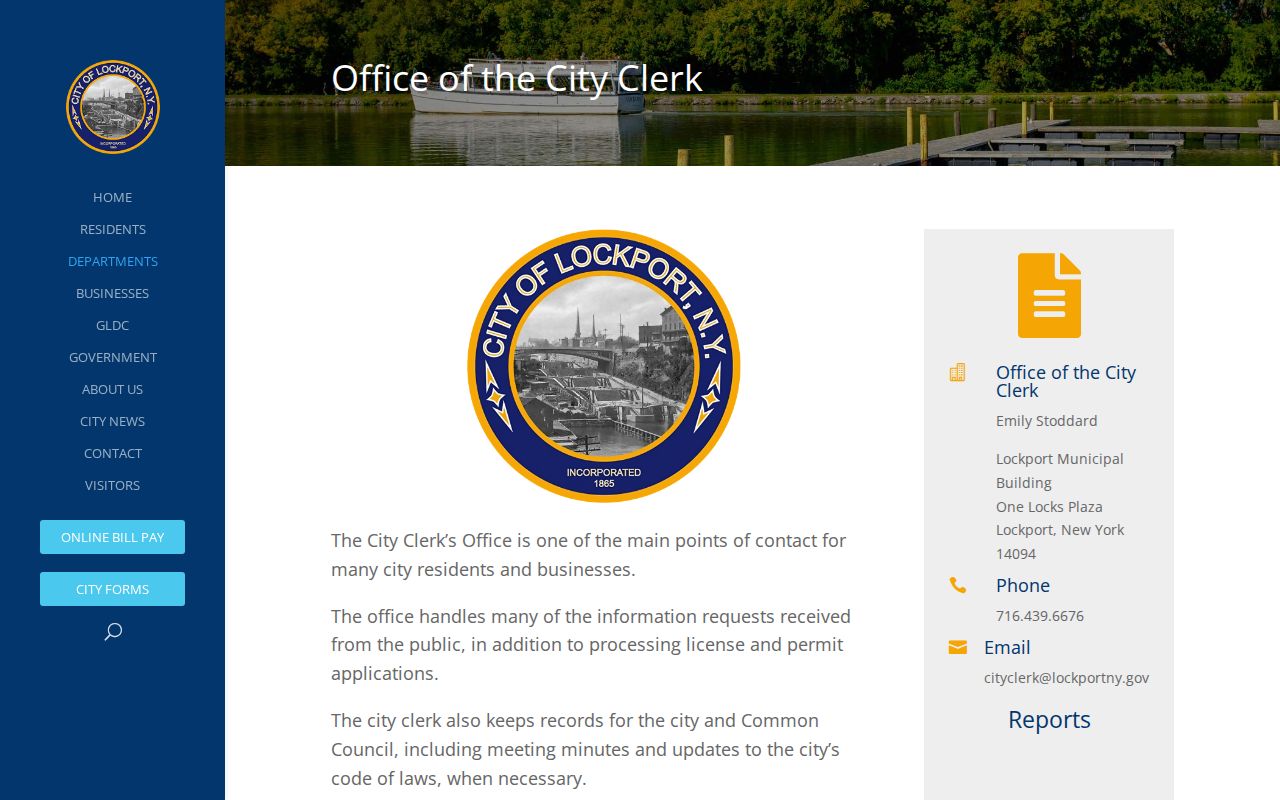
A municipal page finds the custodian and form. Then verify the city, town, or village that owns the record you want.
Niagara County FOIL Request Basics
New York's Freedom of Information Law, Public Officers Law Article 6, §§84–90, lets you ask an agency for an existing record. It cannot force an agency to build a new residents list. Name the office. Add the existing record or file, a date range, useful fields or identifiers, and a preferred format. Agencies answer on a five-business-day clock. Appeal rules and copy costs follow the statute and agency practice.
FOIL has limits. Privacy, confidentiality, sealing, and other exemptions may block disclosure. Voter-file requests, meanwhile, carry their own elections-purpose statement that shapes what an agency can release. A tighter request often works better. Ask the Clerk for a dated instrument by book/page or instrument number, a court clerk for a file by court and index number, or a municipal office for an identified register. Keep the agency's response with the record. New York FOIL guidance is the starting point for the statutory request process.
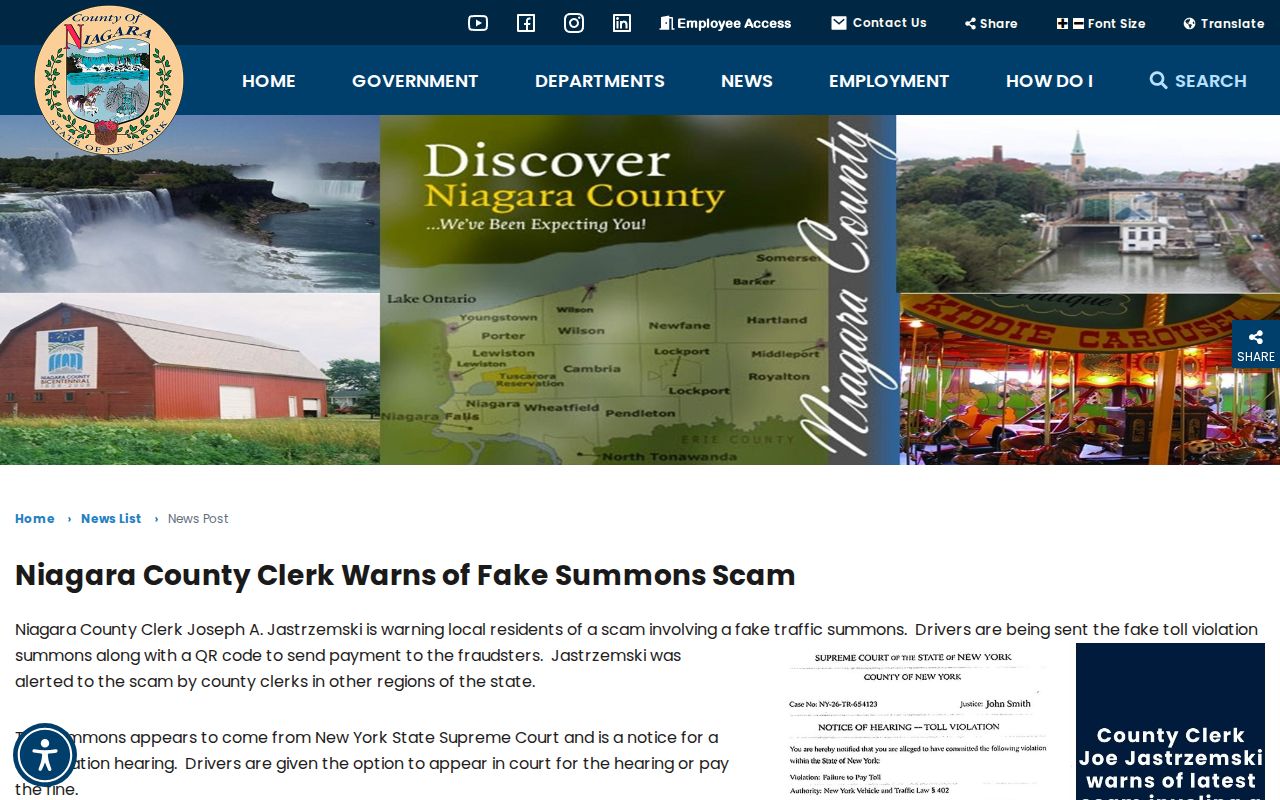
Use official agency links. The county's March 2026 warning about a fake toll-violation summons shows why that habit matters for any request or payment question.
Niagara County Official Link Check
Niagara County switched its main site to a .gov domain. The switch happened in August 2024. Some older department downloads still sit under downloads.niagaracounty.gov, which is normal for a phased migration. It does not change an older PDF's coverage. SearchIQS, PROS, ArcGIS, eCourts, and voter services are live systems, and their screens and access rules can change without notice.
Start from the county's official home page or a named state agency page. Be careful with unsolicited messages. If one asks for a date of birth, a Social Security number, or payment through a QR code, do not treat it as a record notice. The Clerk's 2026 scam warning says the same thing. The county's official-domain migration notice documents the change.
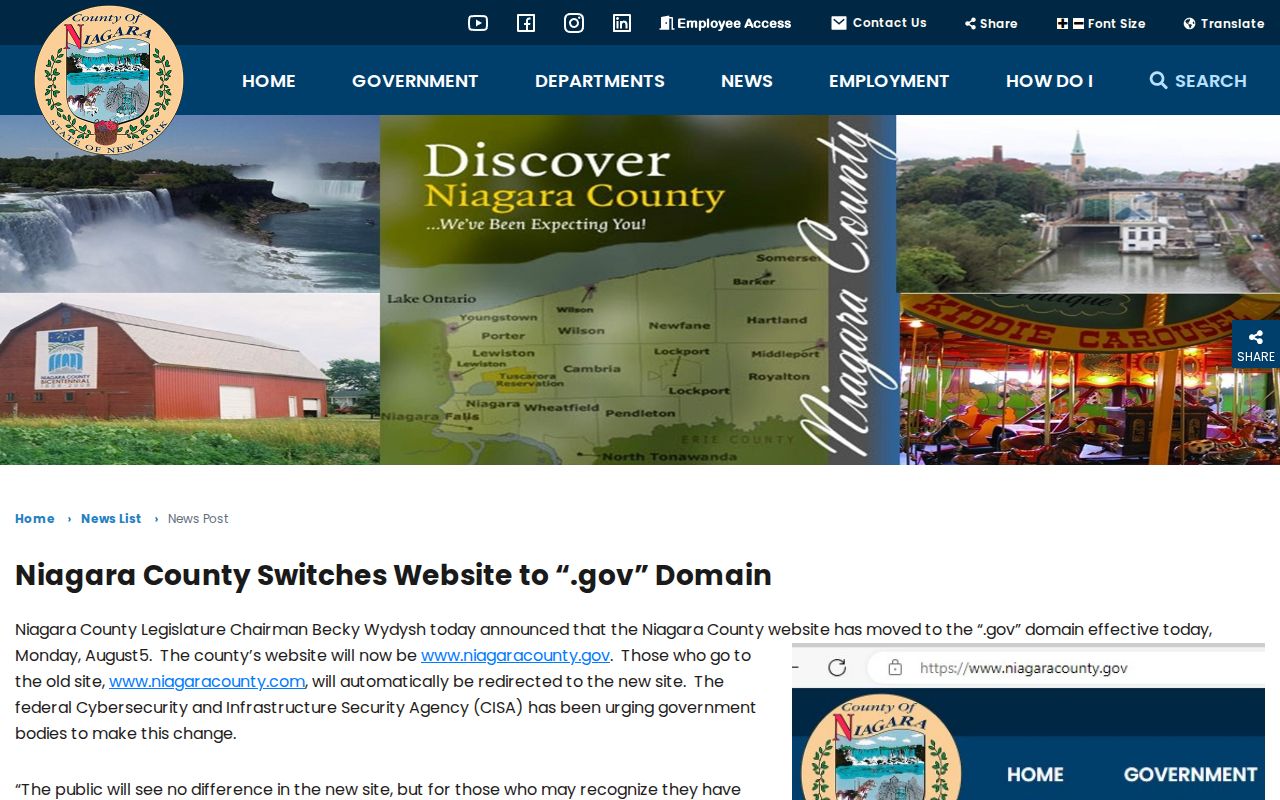
Following a known agency route is the practical safeguard. When a portal, fee schedule, or county contact changes, that habit keeps a records search on solid ground.
Niagara County State Record Edges
Some name-based results sit outside county offices entirely. The New York Department of State runs an active-license search with several entry points: name, license type, county, city, ZIP, and UID. Its entity database covers organization status and filings. A license or business address is not a personal residence. Privacy exclusions and older inactive files carry their own limits. The Comptroller's unclaimed-funds search is a separate free claim route with its own result and proof process.
Use each system only for the question it answers. A state license confirms a public licensing record. An entity entry identifies a business filing. Neither should be merged with a parcel or directory line into a claim about where someone currently lives. Where a record stays unclear, keep the portal's observation date and contact the named custodian for correction or access guidance. New York's unclaimed-funds information shows the separate state route.
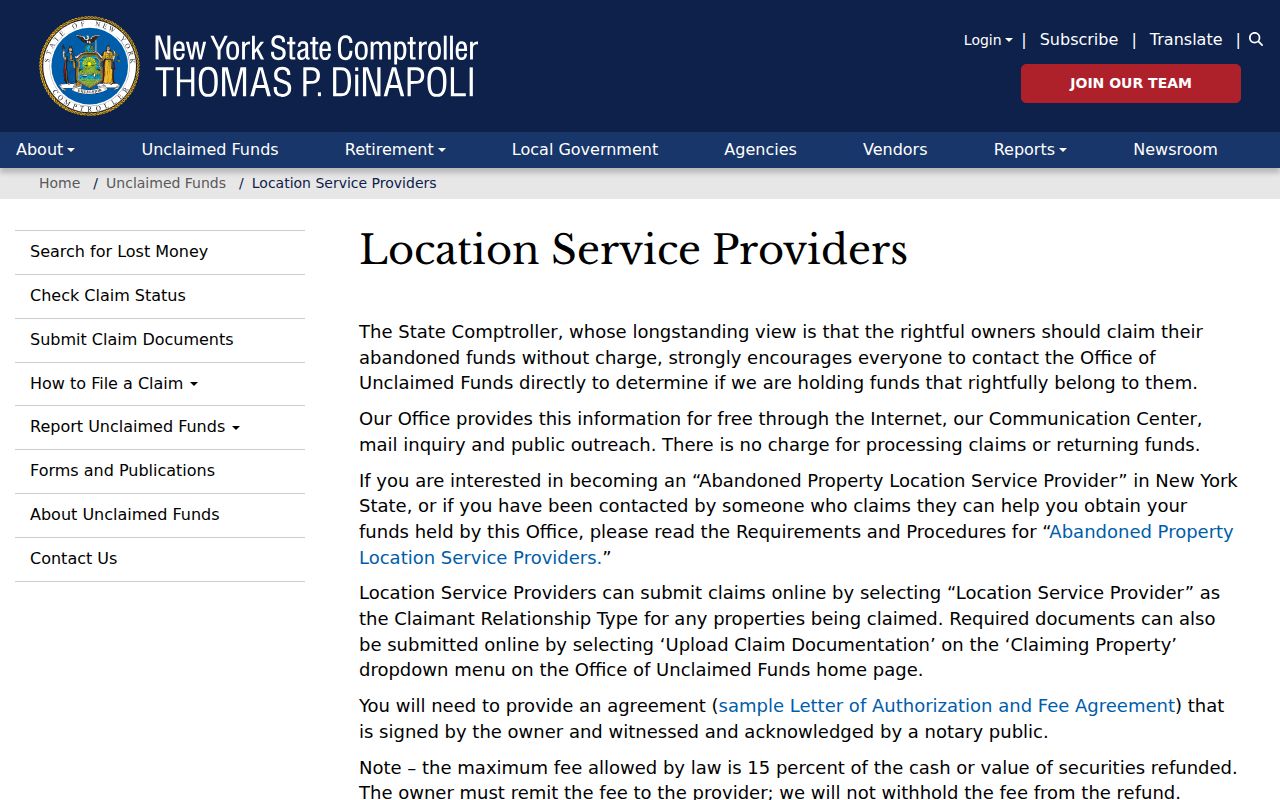
State tools help only when purpose, date, and limits match the question at hand.
Niagara County Library Trail
Historical names need their own path. The County Historian lists obituaries from roughly the 1840s and city directories from 1856. Census rolls, naturalizations, church records, and veteran files are listed too. Maps, newspapers, and family material round out the shelves. Lockport Public Library adds local newspapers, yearbooks, census microfilm, an obituary index, and local-history service. Lewiston's history room accepts lookup requests that include a complete name, date, and place. Much of this sits in person or behind a staff mediator. Little of it lives in a one-click database.
One local story shows records meeting place: the Niagara History Center preserves the Washington Hunt Law Office. It is an 1835 law and land office moved to the museum in 1955. It is not a stand-in for the Clerk's modern land index. Read historical sources as dated snapshots. Compare each entry against its own year. Lockport history provides context for this county-seat image.
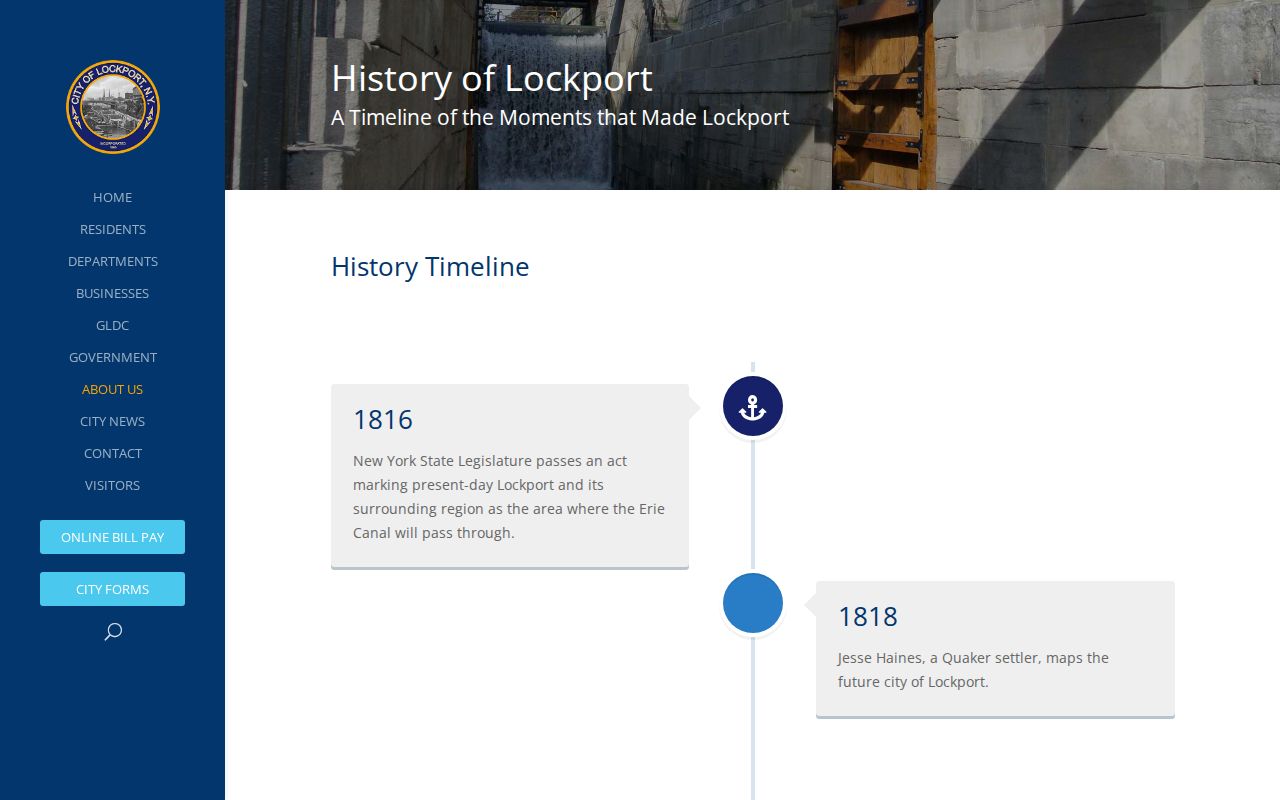
County-seat history helps a researcher choose the right repository. The directory year and its custodian still control what a historical entry means.
Historical Niagara County Resident Directories
The New York State Library catalogs a long but uneven Lockport directory run. It begins in 1856–57. A separate selected Niagara County run starts in 1869. Titles changed with their publishers. Some volumes add street, business, town, village, or institutional sections alongside alphabetic names. A missing year is a real gap. Do not fill it with a nearby edition. The Historian, Lockport Library, Niagara County Genealogical Society, and Niagara History Center offer complementary routes.
A directory year can place a person, household, business, or institution at an address. That placement holds only for the publication's period. It cannot establish current status. A Niagara County residents directory is evidence, but only for its own year. Pair it with a census year, an obituary, or a deed. A court or probate record can also fit where the dates line up. Full year runs and library access details appear in the Niagara County Directory Book. So do the limits of reverse-directory evidence.