
Finding Niagara County Residents
Niagara County has no master list of everyone who lives here. A useful result depends on the question and the date. A parcel record can name an owner of record and show a mailing address. A deed index can place a grantor or grantee in a recorded transaction. A city directory can place a household at an address in its publication year. Each is evidence of that particular record, not a promise of present occupancy. Keep the municipality, spelling, date, and identifier beside every result.
Begin with a source that accepts the detail you know. The county’s PROS-GAR assessment search is strongest when an address, owner name, street, municipality, or tax-map number is known. For a historical name, the County Historian and library collections may be a better first stop. For a public case, start by identifying the court level before using the state search tools. That small choice prevents many same-name and wrong-jurisdiction matches.
- Search PROS-GAR by the address, owner, street, municipality, or SBL when the question begins with a parcel.
- Record the municipality, SBL, SWIS, sale reference, and date displayed before moving to another system.
- Use the County Clerk’s SearchIQS route or a Clerk request for a deed, map, mortgage, or instrument image.
- For a past household, compare the relevant library directory year with census, obituary, or Historian material.
- Request an existing record from its custodian when the needed series is not available online, and keep the access limits with the result.
Niagara County Resident Record Keepers
Three offices answer different parts of a Niagara County residents search. Real Property maintains the assessment and parcel layer. The County Clerk holds recorded land instruments and offers SearchIQS as an online index and image route with series-specific coverage. The Board of Elections is the local public contact for election services, while the state’s voter tool handles individual registration and poll-service lookups. None of those sources should be read as a universal roster. For an address-by-address method, use the Niagara County street directory.
Niagara County Clerk
175 Hawley Street, first floor
Lockport, NY 14095
716-439-7022
Clerk records and copy routes
Niagara County Real Property
59 Park Avenue
Lockport, NY 14094
716-439-7077
Niagara County PROS-GAR
Niagara County Board of Elections
111 Main Street, Suite 100
Lockport, NY 14094
716-438-4040 / 716-438-4041
Board of Elections
Niagara County Parcel Search Fields
The PROS-GAR quick form lets a searcher start with Address, Tax Map # or SBL, Owner Name, Street Finder, or Municipality. Its owner convention is Last, First, and the county’s instructions say to enter a street number and name without a suffix. Partial address matching is supported. Municipality matters because mailing-place names and the county’s cities, towns, and villages do not always line up.
| PROS-GAR field | Use in a Niagara County residents search |
|---|---|
| Address | Enter a number and street name; partial contains matching is available. |
| Tax Map # / SBL | Use the parcel identifier from a tax bill or prior card, such as 160.16-1-63. |
| Owner Name | Search in Last, First form; the portal documents current and prior-owner matching. |
| Street Finder / Municipality | Choose a public road and the correct local jurisdiction before reading results. |
PROS results can display the address, owners, SBL, sale date and price, lot size, property type, building style, zoning, year built, square footage, and room counts. A parcel card adds assessment and sale-reference detail. It does not establish title or show who physically occupies the property. The owner’s mailing field may be somewhere else.
Niagara County PROS-GAR is shown in this official assessment-search capture.
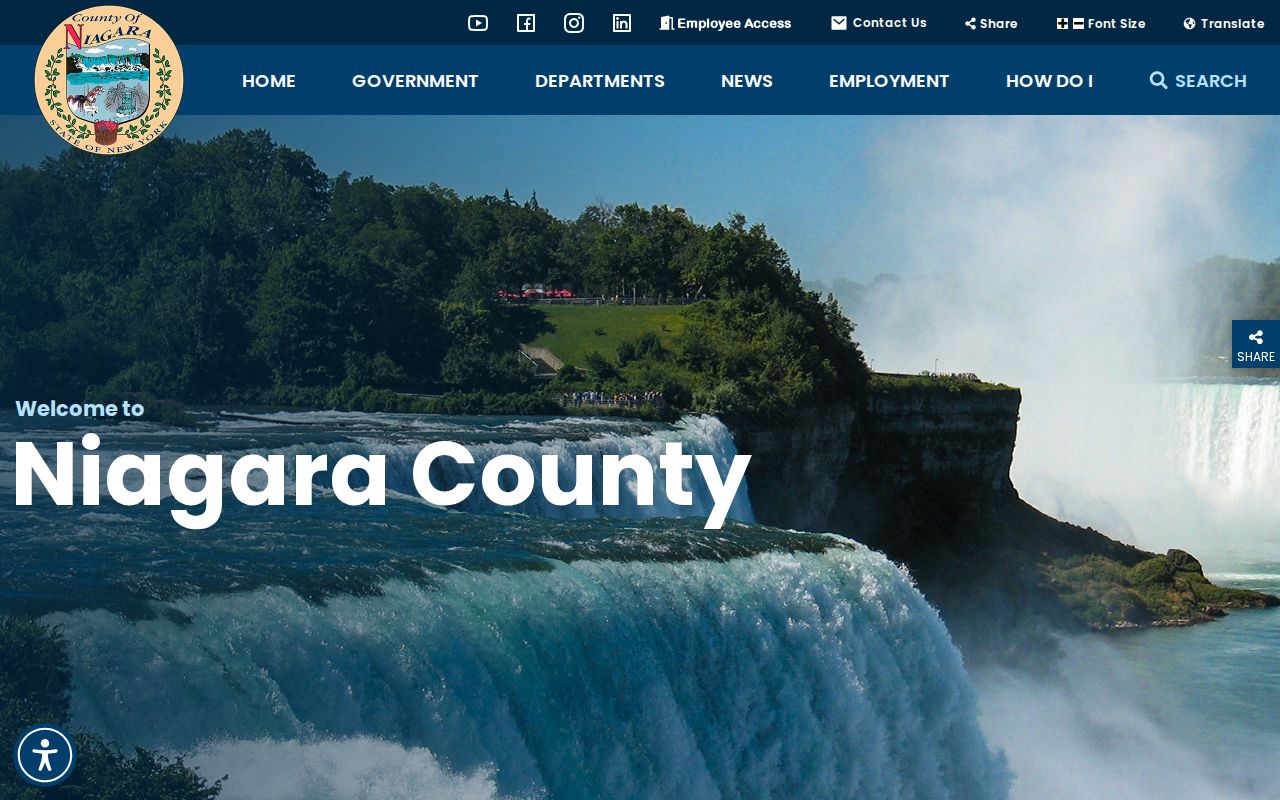
Use the portal as the opening step, then preserve the SBL and the source date before comparing a clerk index or a historical listing.
Niagara County Deed Index Trail
A recorded deed is a different kind of evidence from a parcel card. The County Clerk keeps deeds, mortgages, maps, liens, discharges, court filings, and DBAs. SearchIQS is its online index and image layer, but access and coverage differ by series. The available materials disagree about the beginning of online deed coverage, naming about 1941 in one source and about 1918 in the help material. That conflict is a reason to ask the Clerk before treating a missing online hit as a missing record.
For a copy request, the Clerk asks for names, the recording date, and book/page or instrument number. Requests can go by phone, email, mail, or in person; the research notes an up-to-three-business-day target in the request document, not a guarantee. Older land trails can continue through Clerk volumes, the FamilySearch Niagara County catalog, microfilm, or the County Historian. An index tells a searcher how to find a record. An image is the scanned document itself.
- Parcel
- A mapped unit of land used by the assessment system and identified by an SBL or tax-map number.
- Index
- A finding tool that identifies a record and its reference; it may exist when an image is unavailable.
- Grantor / grantee
- The party transferring an interest and the party receiving it in a recorded instrument.
- Situs
- The physical parcel location, which can differ from an owner mailing address.
County news and public notices also remind users to start from an official county route when a link or message raises doubt.
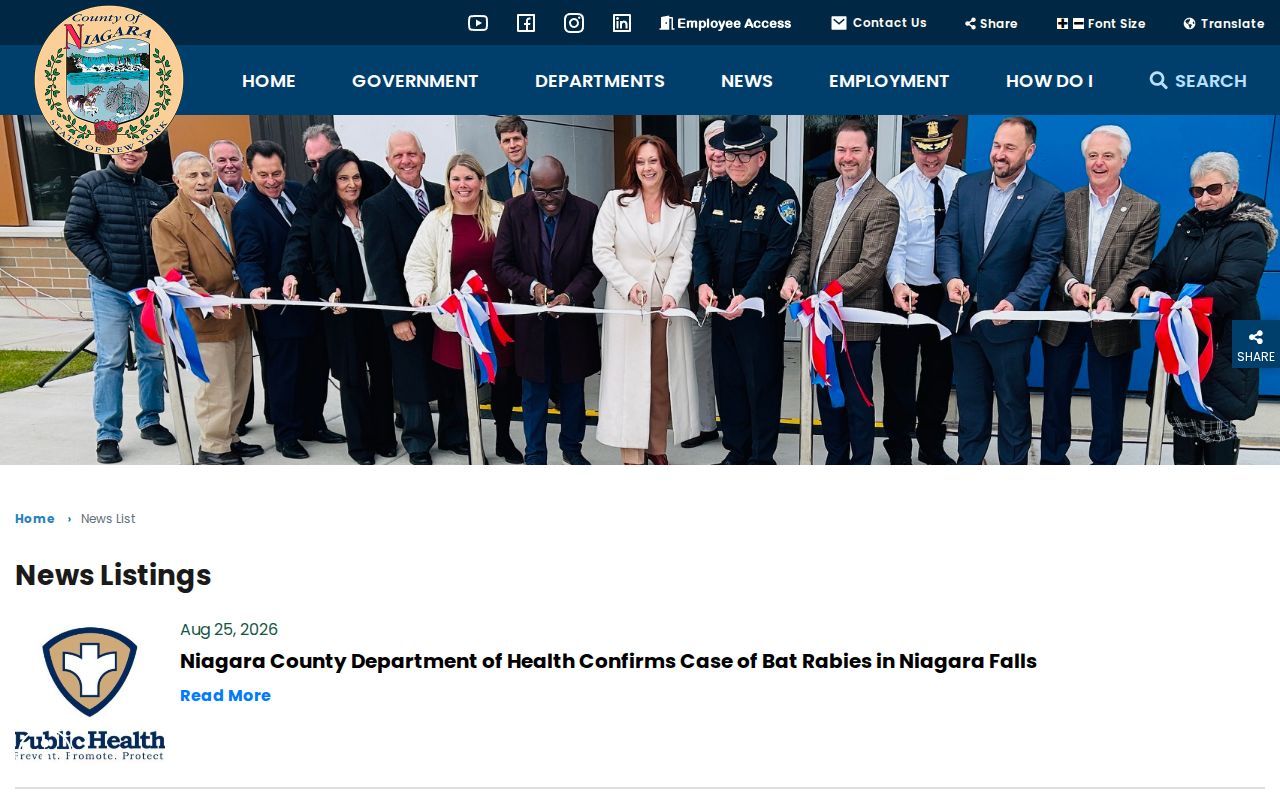
The county has reported a property-fraud alert reminder and a 2026 fake-summons warning, so a direct county link is safer than an unsolicited QR code or look-alike message.
Niagara County Voter Service Limits
The New York voter lookup is an individual registration, poll-site, and ballot-service tool. Its inspected inputs are last name, first name, date of birth in MM/DD/YYYY form, county, and address. It is not a downloadable list of county residents. The state Board of Elections requires a specified FOIL request and an elections-purpose statement for voter-registration data under Election Law §3-103(5).
Confidential registrations remain protected under Election Law §5-508. A no-result does not identify someone’s status, and a service result should not be copied into a profile. For help with a registration, ballot, district, or poll question, use the Niagara County Board of Elections. The local office and state service each have a different role.
Current Niagara County Resident Sources
Current-looking sources in Niagara County measure different things. PROS is an assessment product, so it can connect a parcel to an owner of record, a mailing address, and property fields. The GIS viewer adds parcel geography and selected owner-mailing output. A state voter service works only when a voter supplies the form’s required information. Court and state records describe their own indexed matters, not a person’s general residence. Label the source type and date before using any result.
| Source | Who It Lists | Keeper | Access |
|---|---|---|---|
| PROS parcel card | Owners of record and parcel details | County Real Property | Public assessment search; owner is not necessarily occupant |
| GIS parcel viewer | Parcel geometry and selected owner mailing output | County GIS | Public map; selected exports cap at 1,000 records |
| NYS voter service | Registration and poll-service information for a qualified individual query | NYS BOE / County BOE | Name, DOB, county, and address form |
| County Clerk index | Parties to recorded instruments | Niagara County Clerk | SearchIQS coverage and access vary by series |
| County jail roster | Changing custody snapshot | Niagara County Sheriff | Live system, not a historical directory |
When one name needs careful confirmation, compare identifiers and record dates instead of merging same-name results. A parcel owner may be an estate, trust, corporation, or former owner; a historical directory entry is a snapshot; and a court line is not the whole file. The Niagara County resident lookup uses a name-first verification sequence without treating any single source as proof.
Niagara Falls’ official city information is a useful reminder that county records and municipal contacts occupy separate levels.
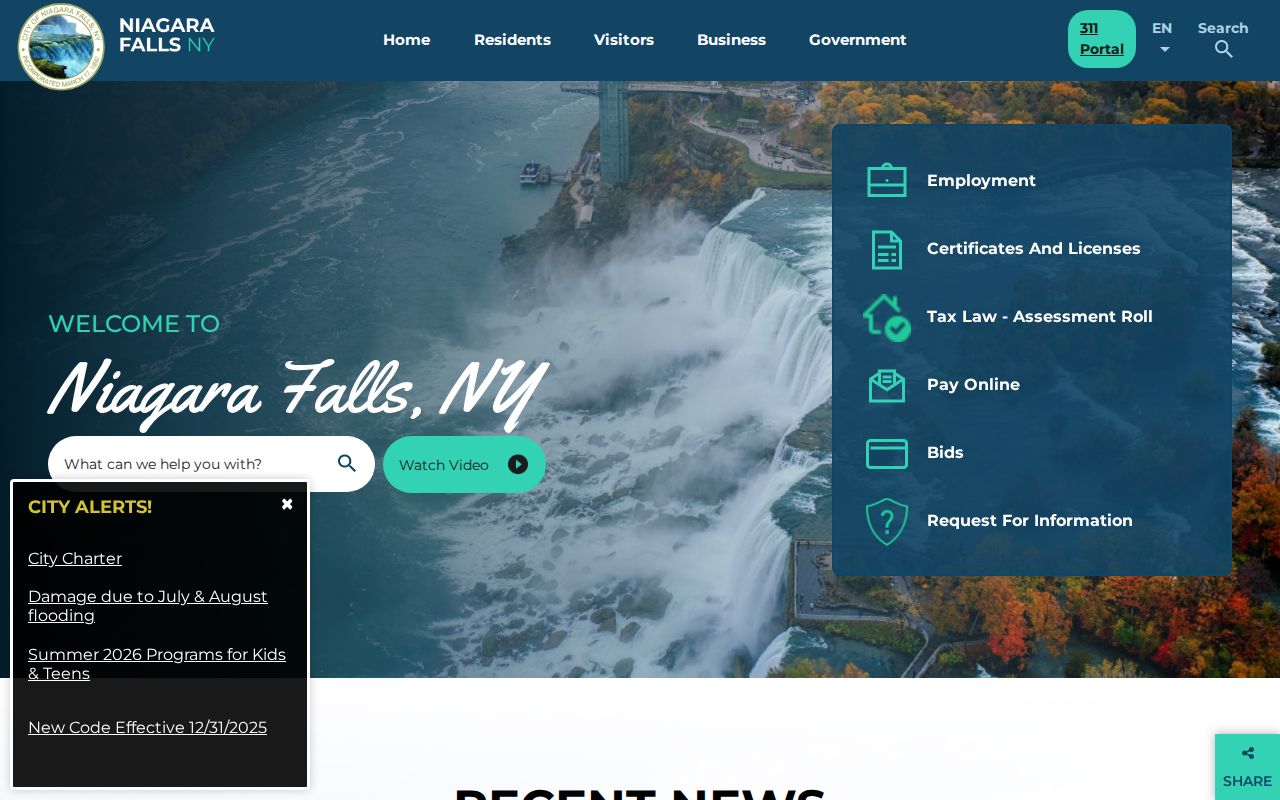
For municipal certificates, permits, cemetery material, or city-court questions, identify the city, town, or village first rather than assuming a county office holds the record.
Niagara County Court Name Paths
A Niagara County name may belong in County Court, a city court, a town or village court, Family Court, Surrogate’s Court, or a state electronic system. WebCivil Supreme, WebCivil Local, and NYSCEF offer different search modes and coverage. NYSCEF guest search can be narrowed by county, case type, and filing dates, but an online result is not the same as a full file or certified record.
State guidance says online case information can omit sealed matters, youthful-offender records, adoptions, certain Family Court records, newly entered cases, and some local civil matters. For the underlying document, first identify the court, index number or case year, caption, and document type. The clerk can explain the copy route and whether certification is available. A search that finds nothing is not a conclusion about a person.
Niagara County ZIP Geography
A ZIP code directs mail. It does not establish a town, city, village, neighborhood, household, or county line. USPS ZIP Lookup has address, city/state, and ZIP-to-associated-city routes, while PostalPro explains delivery categories such as street, rural, PO Box, general delivery, and unique ZIPs. Exact address and unit detail can change the answer.
Niagara mailing labels make that distinction practical. Lockport-area routes can serve adjacent towns; North Tonawanda routes can reach Wheatfield or Pendleton; and Niagara Falls labels can extend toward Town of Niagara or Wheatfield. Start with USPS, then use the municipality, street, SBL, and GIS or PROS for a parcel question. The 2020 Census count of 212,666 and land area of 522.35 square miles provide dated county context, not a present resident count.
Census QuickFacts for Niagara County is the source behind this county-context capture.
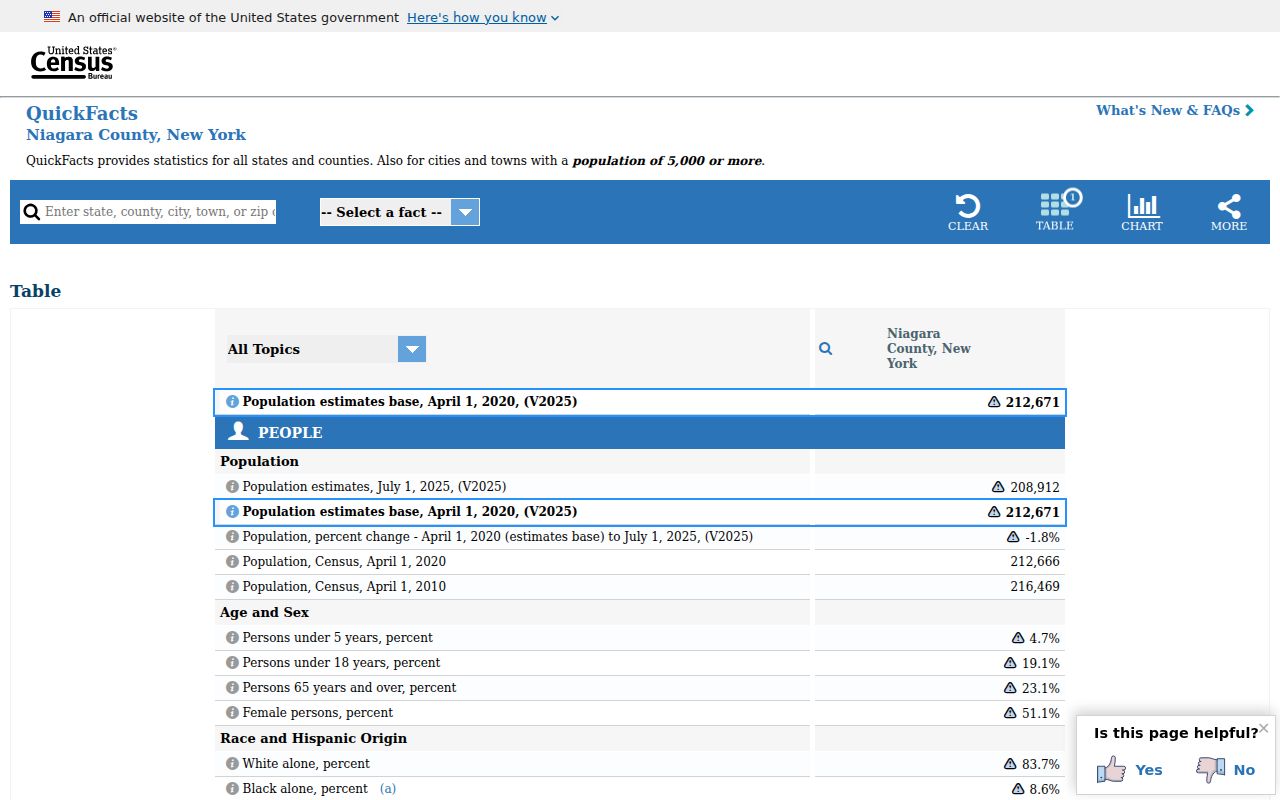
County totals provide useful scale, but a postal or population statistic cannot verify a person, a parcel owner, or an address.
Niagara County Municipal Record Routes
Municipal records are not one countywide system. A local clerk may hold an event certificate, license, cemetery record, minutes, or register. A building or code office can hold address-keyed material if its municipality has released it. City courts are separate from County Court. The confirmed local vital-record example in this research is the Lockport City Clerk; it does not mean that office holds every Niagara County event.
Choose the place used by the custodian before sending a request. Lockport can mean the city, town, or mailing name. Niagara Falls can be a city or a postal name near another municipality. For an event record, note the event date and municipality. For a street matter, note the municipality, parcel identifier, and map date. This narrow first step is more dependable than a broad name search.
Lockport’s City Clerk page illustrates the municipal route.
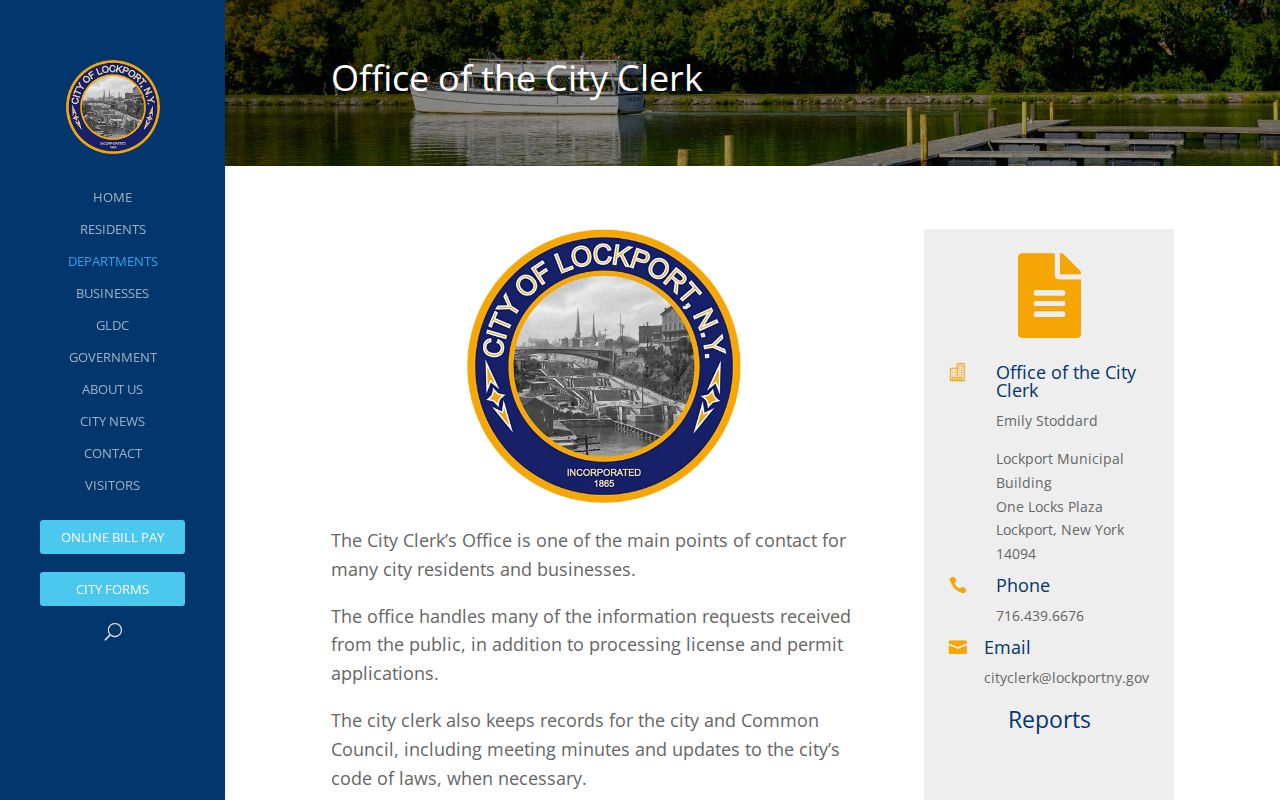
Use a municipal page to find the right custodian and form, then verify the city, town, or village that owns the requested record.
Niagara County FOIL Request Basics
New York’s Freedom of Information Law, Public Officers Law Article 6, §§84–90, is a route for asking an agency for an existing record. It does not require an agency to create a new residents list. A useful request names the office, the existing record or file, a date range, useful fields or identifiers, and a preferred format. The research notes a five-business-day grant, denial, or acknowledgment framework, with later appeal rules and copy costs governed by the statute and agency practice.
FOIL has boundaries. Privacy, confidentiality, sealing, and other exemptions may limit disclosure. Voter-file requests have their own elections-purpose statement. A better request is often shorter: ask the Clerk for a dated instrument using its book/page or instrument number, ask a court clerk for a file using the court and index number, or ask a municipal office for an identified register. Keep the agency’s response with the record.
New York FOIL guidance is the starting point for the statutory request process.
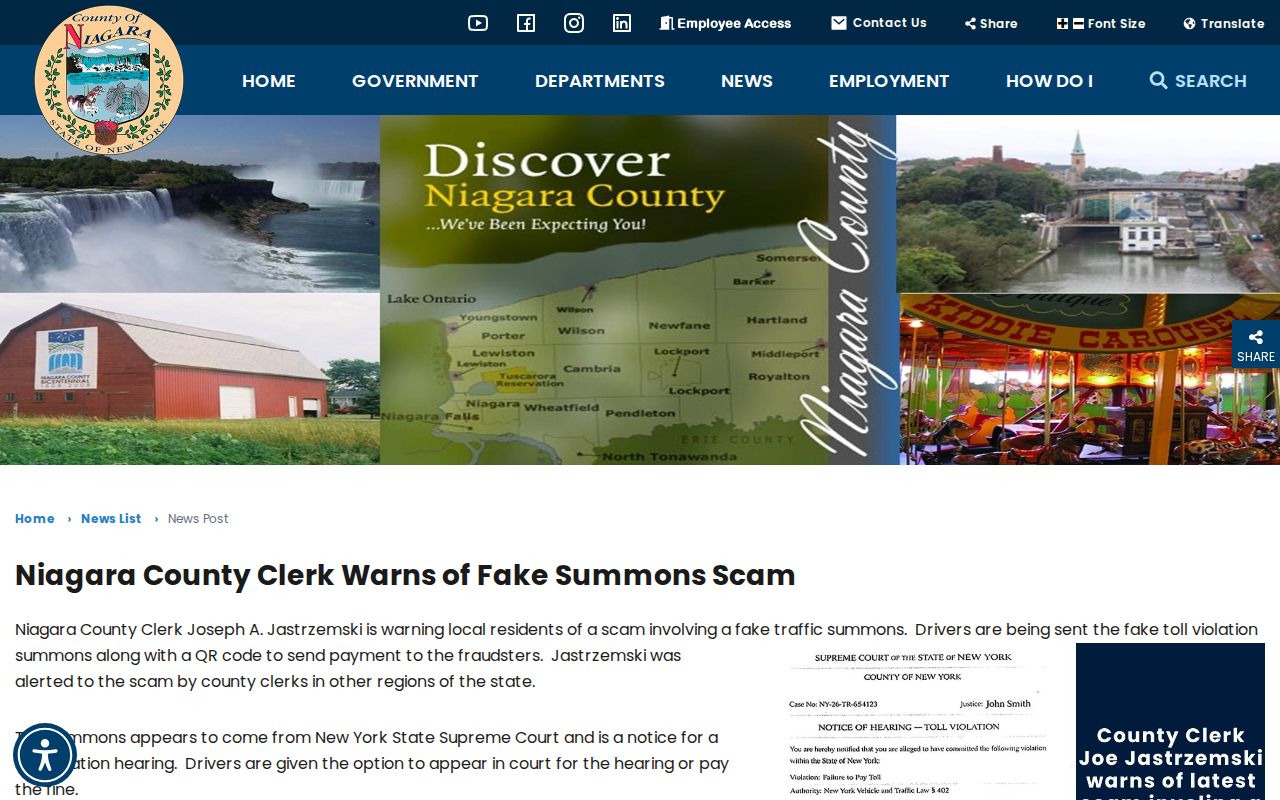
The county’s March 2026 warning about a fake toll-violation summons reinforces the value of using official agency links for a request or payment question.
Niagara County Official Link Check
County navigation moved to a .gov domain in August 2024, while some older department downloads still appear under downloads.niagaracounty.gov. That change is useful context when checking a records link, but it does not change the date or coverage of an older PDF. SearchIQS, PROS, ArcGIS, eCourts, and voter services are all live systems that can change screens and access rules.
Start at the county’s official home page or a named state agency page. If an unsolicited message requests a date of birth, Social Security number, or payment through a QR code, do not treat it as a record notice. The Clerk’s reported 2026 scam warning says legitimate government agencies will not seek those identifiers in an unsolicited communication.
The county’s official-domain migration notice documents the change.
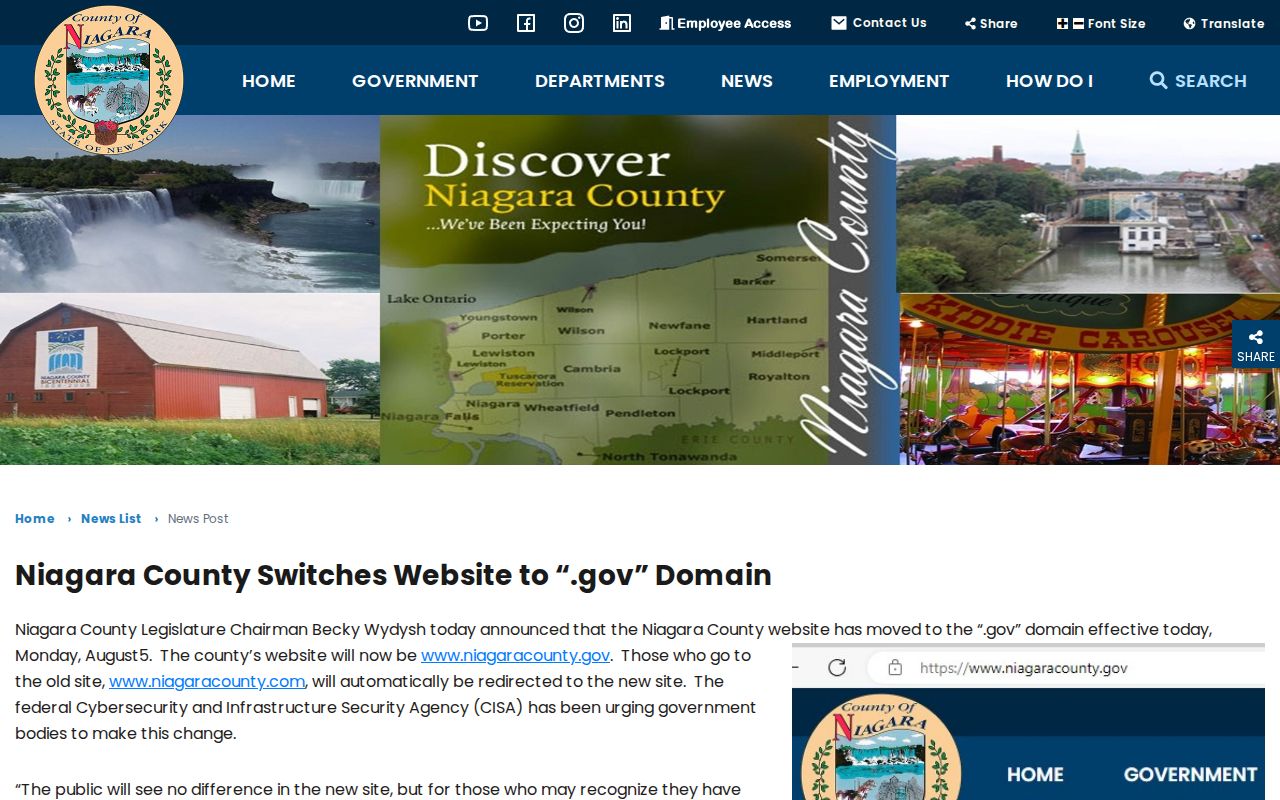
Following a known agency route is a practical safeguard when a portal, a fee schedule, or a county contact changes.
Niagara County State Record Edges
Some name-based results live outside county offices. The New York Department of State offers an active-license search with name, license-type, county, city, ZIP, and UID routes. Its entity database concerns organization status and filings. A business or license address is not a personal residence, and the research notes privacy exclusions and older inactive-file limits. The Comptroller’s unclaimed-funds search is a separate, free claim route with its own result and proof process.
Use these systems only for the question they answer. A state license can confirm a public licensing record. An entity entry can identify a business filing. Neither should be combined with a parcel or directory line into a claim about where a person currently lives. Where the record is unclear, retain the portal’s observation date and contact the named custodian for correction or access guidance.
New York’s unclaimed-funds information shows the separate state route.
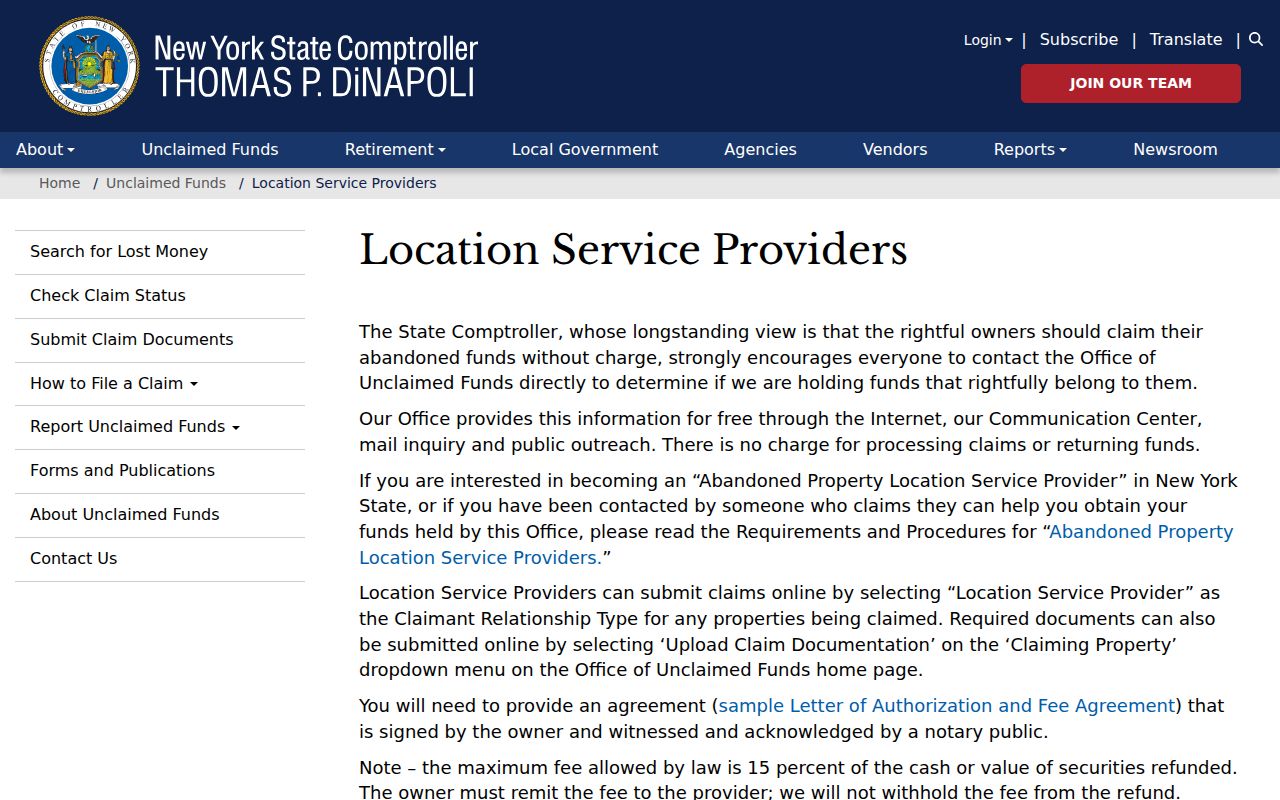
State search products add context only when their purpose, date, and limits match the specific question.
Niagara County Library Trail
Historical names need their own path. The County Historian lists obituaries from roughly the 1840s, city directories from 1856, census, naturalizations, church records, veteran files, maps, newspapers, and family material. Lockport Public Library adds local newspapers, yearbooks, census microfilm, an obituary index, and local-history service. Lewiston’s history room accepts lookup requests with a complete name, date, and place. These collections are often in person or mediated rather than one-click databases.
One local story shows how records and place meet: the Niagara History Center preserves the Washington Hunt Law Office, an 1835 law and land office moved to the museum in 1955. It is a useful entry point for understanding the county’s documentary past, not a substitute for the Clerk’s modern land index. Historical sources should be read as dated snapshots and compared with the record’s own year.
Lockport history provides context for this county-seat image.
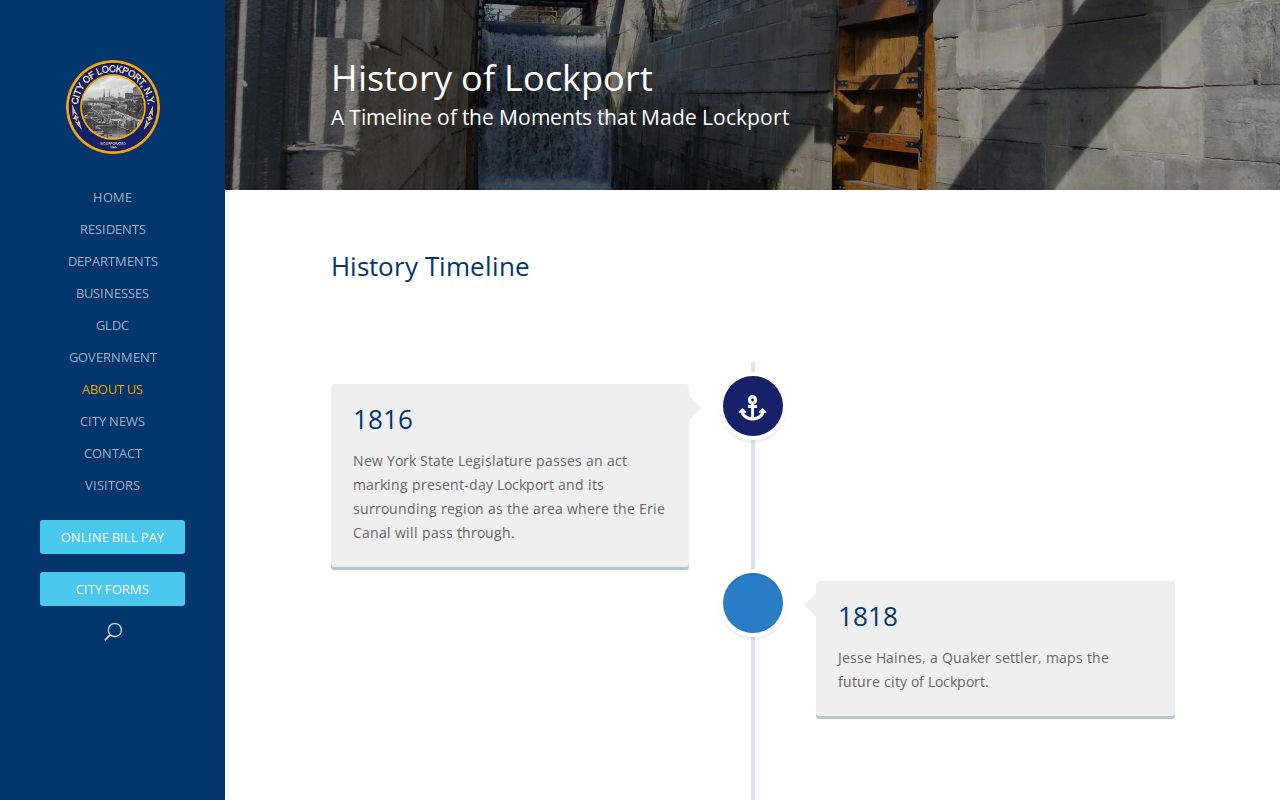
County-seat history helps a researcher choose a repository, while the directory year and custodian still control what a historical entry means.
Historical Niagara County Resident Directories
The New York State Library records a long but uneven Lockport directory run, beginning in 1856–57, and a separate selected Niagara County run beginning in 1869. Titles changed with their publishers and some volumes include street, business, town, village, or institutional sections in addition to alphabetic names. A missing year is a real gap, not permission to fill it with a nearby edition. The Historian, Lockport Library, Niagara County Genealogical Society, and Niagara History Center provide complementary routes.
A directory year may put a person, household, business, or institution at an address for that publication’s period. It cannot establish current status. Pair it with a census year, obituary, deed, or court/probate record where the date fits. The collection’s full year runs, library access details, and the limits of reverse-directory evidence are collected in the Niagara County Directory Book.